

Choosing a new, high-quality carpet from DeSoto Floor Covering & Interiors is a significant investment in the comfort and value of your Olive Branch, Memphis, or Germantown home. To ensure that plush feel and vibrant color last for years, consistent and correct maintenance is non-negotiable.
Crucially, the unique climate of West Tennessee and North Mississippi—characterized by high humidity and seasonal temperature swings—presents specific challenges to carpet longevity.
We've compiled essential carpet care and cleaning techniques that go beyond the basics, helping you protect your investment against the elements of the Mid-South.
Mitigating the Impact of Humidity and Moisture
High humidity is one of the greatest threats to your carpet's long-term health in this region, potentially leading to mold, mildew, and premature wear and tear.
The Humidity Challenge
Carpet, particularly the padding, can absorb moisture from the air and the concrete slabs often found in local homes. If this moisture is trapped, it can lead to:
Mold and Mildew: Spores can germinate in a damp environment, creating odors and potential health hazards
Matting: Excessive moisture can cause fibers, particularly in cut-pile carpets, to lose their resilience and "mat" down more quickly.
Buckling: Rapid changes in humidity can sometimes cause a wall-to-wall carpet to expand and buckle, requiring professional re-stretching.
Mitigation Strategies
Climate Control: Maintain consistent indoor humidity levels, ideally between 30% and 50%. Use dehumidifiers in basements or lower levels during high-humidity summer months.
Prompt Spill Management: Never let spills linger. Even clear water needs to be blotted up immediately and thoroughly to prevent moisture from reaching the padding.
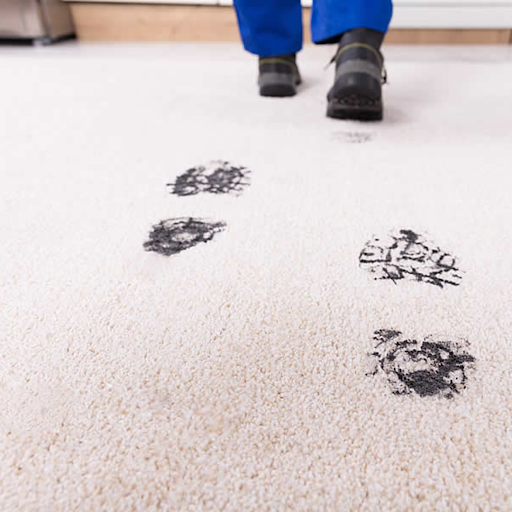
Doormat Barriers: Place high-quality, absorbent walk-off mats at every entrance to trap moisture, mud, and grit before they reach the main carpeted areas.
Vacuuming Technique
Vacuuming is the single most important maintenance activity. Yet, many homeowners focus only on how often they vacuum, not how they do it. The proper technique is crucial for removing abrasive dirt particles that cut and damage fibers.
Go Beyond Frequency
While you should vacuum high-traffic areas (hallways, living room) 3-5 times per week and the low-traffic regions (bedrooms) 1-2 times per week, focus on these techniques:
Check the Height Setting: The most common mistake is setting the vacuum too low or too high. The correct height allows the brushes to agitate the carpet fibers without scraping the backing. The ideal setting allows the vacuum to glide effortlessly while still feeling the pull of the suction.
Mind the Beater Bar: Vacuums with a rotating beater bar (also known as a brush roll) are excellent for lifting soil and agitating plush, cut-pile carpets. However, for particularly delicate loop pile carpets (such as some thick Berbers), the aggressive action can cause fuzzing or snagging. If you have a loop pile, consider turning the brush roll off or using a suction-only setting.
Use a Slow Pace: Soil is often deeply embedded. Make two slow, deliberate passes (forward and back) over the same area. The slow motion allows the vacuum to maximize air flow and pull deeply embedded soil out of the carpet base.
Change the Bag/Empty the Canister: A full bag or canister dramatically reduces suction power, rendering your efforts ineffective. Change the bag when it is half to two-thirds full.
Professional Cleaning: Encapsulation vs. Steam
Regular professional cleaning is necessary to remove sticky soil residues and deep-seated grime that daily vacuuming misses. This should be done every 12 to 18 months, depending on traffic and warranty requirements.
When hiring a professional cleaner, understand the two primary methods:
1. Hot Water Extraction (Steam Cleaning)
Process: Water mixed with a detergent is injected deep into the carpet pile and immediately extracted with high-powered suction. This is generally considered the deepest cleaning method.
Considerations: If done improperly, it can leave the carpet overly wet, which is problematic in humid West Tennessee. Always ensure your cleaner uses high-powered extraction and high-efficiency drying techniques.
2. Encapsulation Cleaning (Low Moisture)
Process: A special cleaning polymer is sprayed onto the carpet. As the polymer dries, it crystallizes and encapsulates the soil particles, trapping them. The dry crystals are then easily removed with a post-vacuuming session.
Benefits of Humidity: This method uses very little water, leading to swift drying times (often less than an hour). This is an ideal low-moisture option to prevent humidity-related issues in the padding.
DeSoto Tip: Always check your carpet's manufacturer warranty. Many high-quality carpets require proof of professional cleaning by an approved method (like the CRI Seal of Approval) to keep the warranty valid.
Following these essential care techniques will help your carpet withstand the challenges of the West Tennessee climate, ensuring it looks beautiful and feels luxurious for its maximum lifespan.
At DeSoto Floor Covering & Interiors, we provide not only expert installation but also the knowledge you need to maintain your flooring investment.
Ready to ask a professional about the best cleaning method for your specific carpet fiber? Contact DeSoto Floor Covering & Interiors today for personalized carpet care advice or to schedule your next project.
Call or visit us to speak with a flooring expert!


