

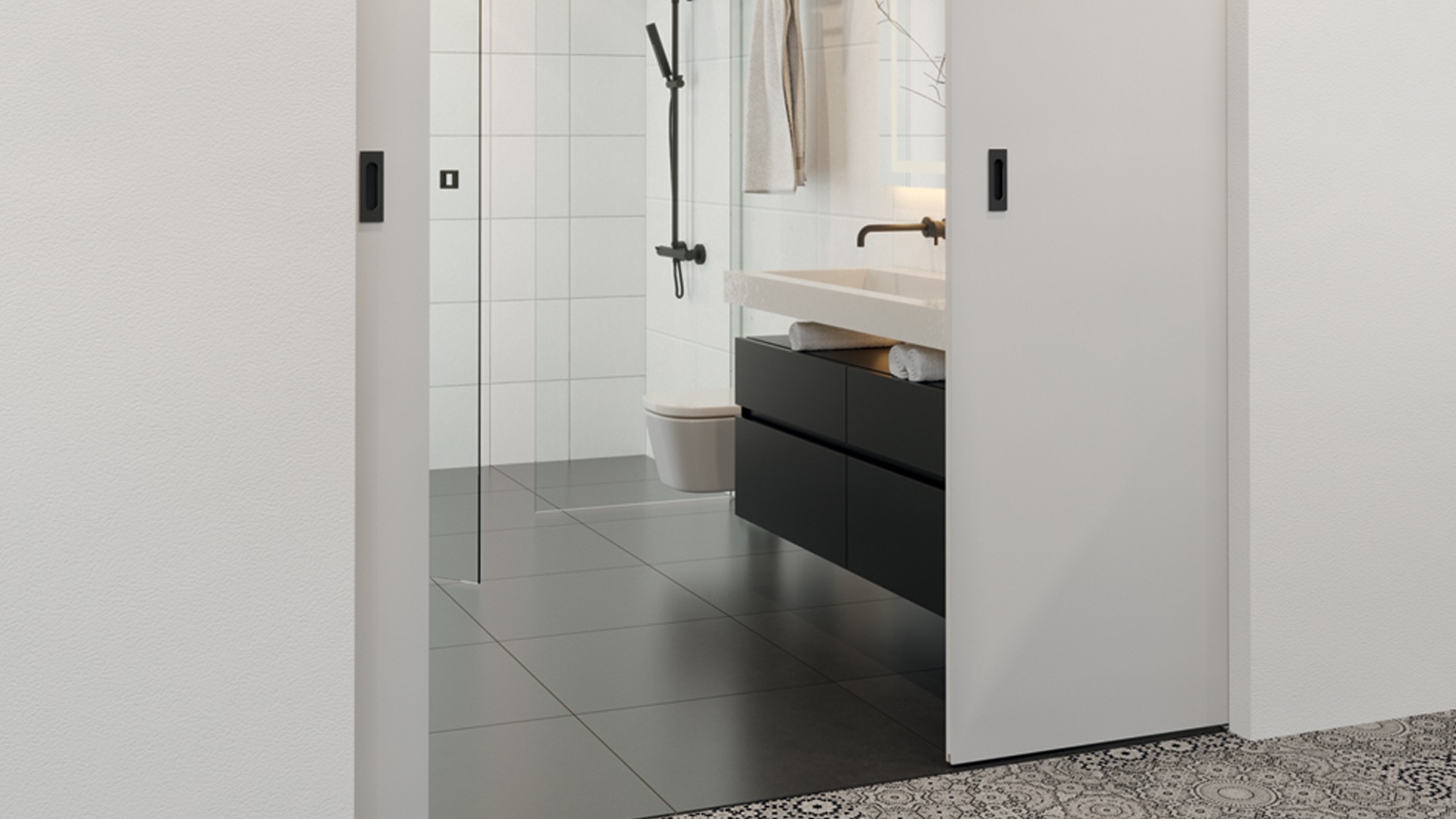
Healthcare environments demand a higher standard of cleanliness, safety, and durability than almost any other commercial space. From hospitals and clinics to dental offices and outpatient centers, flooring plays a critical role in maintaining sanitary conditions while supporting daily operations.
At DeSoto Floor Covering & Interiors, we work with healthcare facilities across North Mississippi and West Tennessee to select flooring solutions that meet strict performance requirements. In medical settings, flooring is not just a design element—it’s a key part of infection control, patient safety, and long-term cost management.
This guide explores the best flooring options for healthcare facilities and how they support sanitation, slip resistance, and durability in real-world conditions.
Why Flooring Matters in Healthcare Settings
Healthcare facilities experience constant activity, including foot traffic from staff and patients, movement of medical equipment, and frequent cleaning with strong disinfectants. In addition, these environments must meet strict hygiene standards to help reduce the spread of infections.
Common challenges healthcare flooring must address include:
Exposure to bacteria, viruses, and contaminants
Frequent spills and moisture from cleaning or medical use
Heavy rolling loads from beds, carts, and equipment
Need for quiet, comfortable environments for patient care
Strict safety requirements to prevent slips and falls
Choosing the wrong flooring can compromise sanitation efforts and increase maintenance costs over time.
Key Features of Healthcare Facility Flooring
When selecting flooring for clinics, hospitals, or medical offices in Mississippi and Tennessee, several performance features are essential.
Effective healthcare flooring should provide:
Seamless or low-seam surfaces to reduce contamination points
Resistance to moisture and chemicals used in cleaning
Slip resistance to enhance patient and staff safety
Durability under heavy equipment and foot traffic
Easy maintenance to support daily sanitation routines
Flooring that meets these criteria helps facilities maintain compliance while improving operational efficiency.
Sheet Vinyl: A Top Choice for Infection Control
Sheet vinyl is one of the most widely used flooring materials in healthcare environments due to its ability to support strict sanitation standards.
Benefits of Sheet Vinyl in Medical Spaces
Minimal seams reduce places for bacteria to accumulate
Non-porous surface prevents moisture penetration
Easy to clean and disinfect regularly
Compatible with heat-welded seams for enhanced hygiene
Sheet vinyl is commonly used in patient rooms, exam rooms, surgical areas, and corridors where infection control is a top priority.
Luxury Vinyl Tile (LVT): Durable and Design-Flexible
Luxury Vinyl Tile (LVT) is another strong option for healthcare facilities, particularly in areas where both performance and aesthetics matter.
Where LVT Works Best
LVT is often used in:
Waiting rooms and lobbies
Administrative offices
Patient rooms with lower clinical demands
Key advantages include:
High durability for heavy foot traffic
Resistance to stains and moisture
Wide range of calming, wood-look or stone-look designs
Easier replacement of individual tiles if needed
LVT allows healthcare facilities to create welcoming environments without sacrificing performance.
Rubber Flooring: Safety and Comfort Underfoot
Rubber flooring is widely used in healthcare environments where safety, comfort, and noise reduction are important.
Advantages of Rubber Flooring
Naturally slip-resistant, even in wet conditions
Cushioned surface reduces fatigue for staff
Helps absorb sound, creating quieter environments
Durable under heavy equipment and continuous use
Rubber flooring is ideal for corridors, nurse stations, and areas where staff spend long hours on their feet.
Slip Resistance: A Critical Safety Factor
Slip-and-fall accidents are a major concern in healthcare settings. Flooring must maintain traction even when exposed to water, cleaning solutions, or spills.
Slip-resistant flooring helps:
Protect patients, especially those with limited mobility
Reduce workplace injuries among staff
Support compliance with safety standards
Selecting flooring with the appropriate slip resistance rating is essential for high-risk areas such as entrances, bathrooms, and treatment rooms.
Durability for Heavy Equipment and Constant Use
Healthcare facilities rely on equipment such as hospital beds, wheelchairs, and carts that place continuous stress on flooring surfaces.
Durable flooring solutions:
Resist indentation and wear from heavy loads
Maintain smooth surfaces for easy equipment movement
Reduce the need for frequent repairs
Long-lasting flooring minimizes disruptions in critical care environments and supports efficient operations.
Maintenance and Sanitation Efficiency
Daily cleaning is a non-negotiable requirement in healthcare settings. Flooring must withstand frequent disinfection without degrading over time.
Low-maintenance flooring helps:
Simplify cleaning protocols
Withstand harsh chemicals
Maintain a consistent, professional appearance
Choosing flooring that supports efficient sanitation reduces labor costs and helps maintain a safe environment.
Installation Quality Supports Long-Term Performance
Proper installation is essential for healthcare flooring to perform as intended. Seam sealing, subfloor preparation, and moisture control all play a role in infection prevention and durability.
Many healthcare administrators benefit from free consultations and shop-at-home appointments during the planning process. These services allow flooring professionals to evaluate facility needs, traffic patterns, and compliance requirements before installation begins.
Why Local Expertise Matters in Healthcare Flooring
Healthcare facilities in North Mississippi and West Tennessee must account for regional conditions such as humidity, temperature fluctuations, and building construction methods.
Working with a local flooring expert ensures:
Materials suited to Southern climate conditions
Installation methods tailored to local facilities
Recommendations based on real-world healthcare environments
Local experience helps ensure flooring performs reliably under demanding conditions.
Create Safer, More Hygienic Healthcare Spaces
Flooring plays a vital role in maintaining safe, clean, and efficient healthcare environments. By selecting the right materials—such as sheet vinyl, LVT, and rubber flooring—facilities can improve infection control, enhance safety, and reduce long-term maintenance costs.
If your clinic, hospital, or medical office is planning a flooring upgrade, DeSoto Floor Covering & Interiors is here to help. Schedule a free consultation or convenient shop-at-home appointment to explore healthcare flooring solutions designed for durability, sanitation, and safety across North Mississippi and West Tennessee.


