

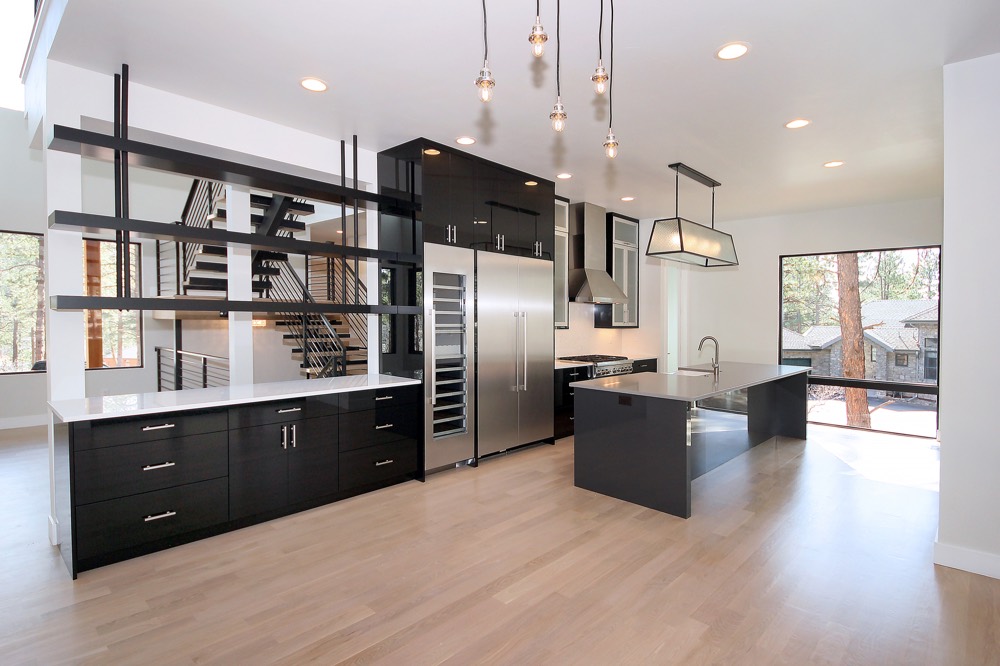
Commercial kitchens and catering facilities operate in one of the most demanding environments for flooring. Constant moisture, grease spills, heavy equipment, and nonstop foot traffic put extreme stress on floor surfaces—especially in the hot, humid climate of North Mississippi and West Tennessee.
At DeSoto Floor Covering & Interiors, we work with restaurants, commercial kitchens, catering companies, schools, and healthcare food service facilities throughout the Mid-South. The right flooring choice is critical not only for durability, but also for safety, sanitation, and long-term cost control.
This guide outlines the most effective flooring solutions for commercial kitchens and catering spaces and explains why specialized materials are essential in Southern climates.
Why Commercial Kitchens Need Specialized Flooring
Unlike dining areas or front-of-house spaces, commercial kitchens are exposed to constant hazards that quickly destroy standard flooring.
Common challenges include:
Standing water from washing and food prep
Grease, oil, and acidic spills
Heat from cooking equipment
Heavy loads from refrigerators, ranges, and carts
Frequent, aggressive cleaning routines
In humid Southern environments, moisture can linger longer, increasing the risk of subfloor damage, mold, and flooring failure if the wrong materials are used.
Key Flooring Requirements for Food Service Environments
Before choosing a flooring type, it’s important to understand what commercial kitchen floors must handle on a daily basis.
Effective commercial kitchen flooring should offer:
High moisture and spill resistance
Slip resistance for wet and greasy conditions
Durability under heavy equipment and rolling loads
Seam integrity to prevent bacteria and moisture intrusion
Compatibility with frequent sanitation and cleaning
Flooring that lacks these features often leads to safety issues, health code concerns, and premature replacement.
Resilient Flooring Options Built for Commercial Kitchens
Commercial Sheet Vinyl and Resilient Flooring
Commercial-grade resilient flooring is a popular choice for kitchens and catering areas because it is engineered for moisture control and durability.
Advantages include:
Non-porous surfaces that resist water and spills
Fewer seams, reducing places for bacteria to hide
Easy daily cleaning and sanitation
Comfortable underfoot during long shifts
When properly installed, these floors help protect subfloors from moisture damage—an essential benefit in Southern climates.
Luxury Vinyl Tile (LVT) for Food Service Areas
In some commercial kitchens and back-of-house areas, heavy-duty LVT is used where moisture resistance and durability are required alongside design flexibility.
Benefits of commercial LVT include:
Strong resistance to spills and stains
Stability in humid environments
Compatibility with concrete slab foundations
Easy replacement of individual tiles if damaged
While not suitable for every kitchen application, commercial-grade LVT can be effective in prep areas, storage zones, and catering spaces when specified correctly.
Slip Resistance and Employee Safety
Slips and falls are among the most common injuries in commercial kitchens. Flooring selection plays a major role in reducing these risks.
Kitchen flooring should:
Maintain traction when wet or greasy
Support anti-slip footwear requirements
Perform consistently under frequent cleaning
Choosing slip-resistant flooring helps protect employees, reduce liability, and maintain compliance with workplace safety standards.
Standing Up to Heavy Equipment and Rolling Loads
Commercial kitchens rely on large appliances and constant movement of carts and racks. Flooring must be able to support this weight without cracking, compressing, or shifting.
Properly specified commercial flooring:
Handles static loads from heavy equipment
Resists indentation and wear
Supports rolling traffic without seam failure
This durability helps prevent costly repairs and downtime caused by damaged flooring.
Moisture Control Protects the Subfloor
One of the most expensive mistakes in commercial kitchen flooring is ignoring moisture management. In humid regions like North Mississippi and West Tennessee, moisture can migrate from concrete slabs or remain trapped beneath flooring.
Moisture-resistant flooring systems help by:
Creating a protective barrier over the subfloor
Reducing the risk of mold and odors
Preventing adhesive breakdown
Protecting the subfloor is essential for long-term cost control and health compliance.
Maintenance and Sanitation Efficiency
Commercial kitchens require flooring that supports strict cleaning and sanitation routines without breaking down.
Low-maintenance flooring helps:
Reduce labor time for cleaning crews
Withstand harsh cleaning agents
Maintain appearance and performance over time
Flooring that fails under routine sanitation quickly becomes a liability rather than an asset.
Installation Is Just as Important as Material Selection
Even the most durable flooring can fail if installed incorrectly. Proper subfloor preparation, moisture testing, seam sealing, and adhesive selection are critical for success in food service environments.
Many restaurant owners and facility managers benefit from free consultations and shop-at-home appointments during the planning phase. These services allow flooring professionals to evaluate kitchen layouts, drainage patterns, equipment loads, and moisture conditions before installation begins.
Why Local Commercial Flooring Experience Matters
Southern climates present challenges that national flooring recommendations often overlook. Humidity, slab foundations, and regional building practices all influence how flooring performs in commercial kitchens.
Working with a local commercial flooring expert ensures:
Materials suited to Mid-South climate conditions
Installation methods adapted to local construction types
Recommendations based on real-world restaurant and catering experience
Local knowledge plays a major role in avoiding premature failures and costly replacements.
Choosing the Right Flooring for Your Commercial Kitchen
Commercial kitchen flooring is not an area to cut corners. The right flooring solution improves safety, simplifies sanitation, and reduces long-term maintenance and replacement costs—especially in demanding Southern environments.
If you’re planning a new kitchen, remodel, or flooring replacement for a restaurant or catering facility, DeSoto Floor Covering & Interiors is ready to help. Schedule a free consultation or convenient shop-at-home appointment to explore commercial flooring solutions designed to handle moisture, spills, and heavy use across North Mississippi and West Tennessee.


