

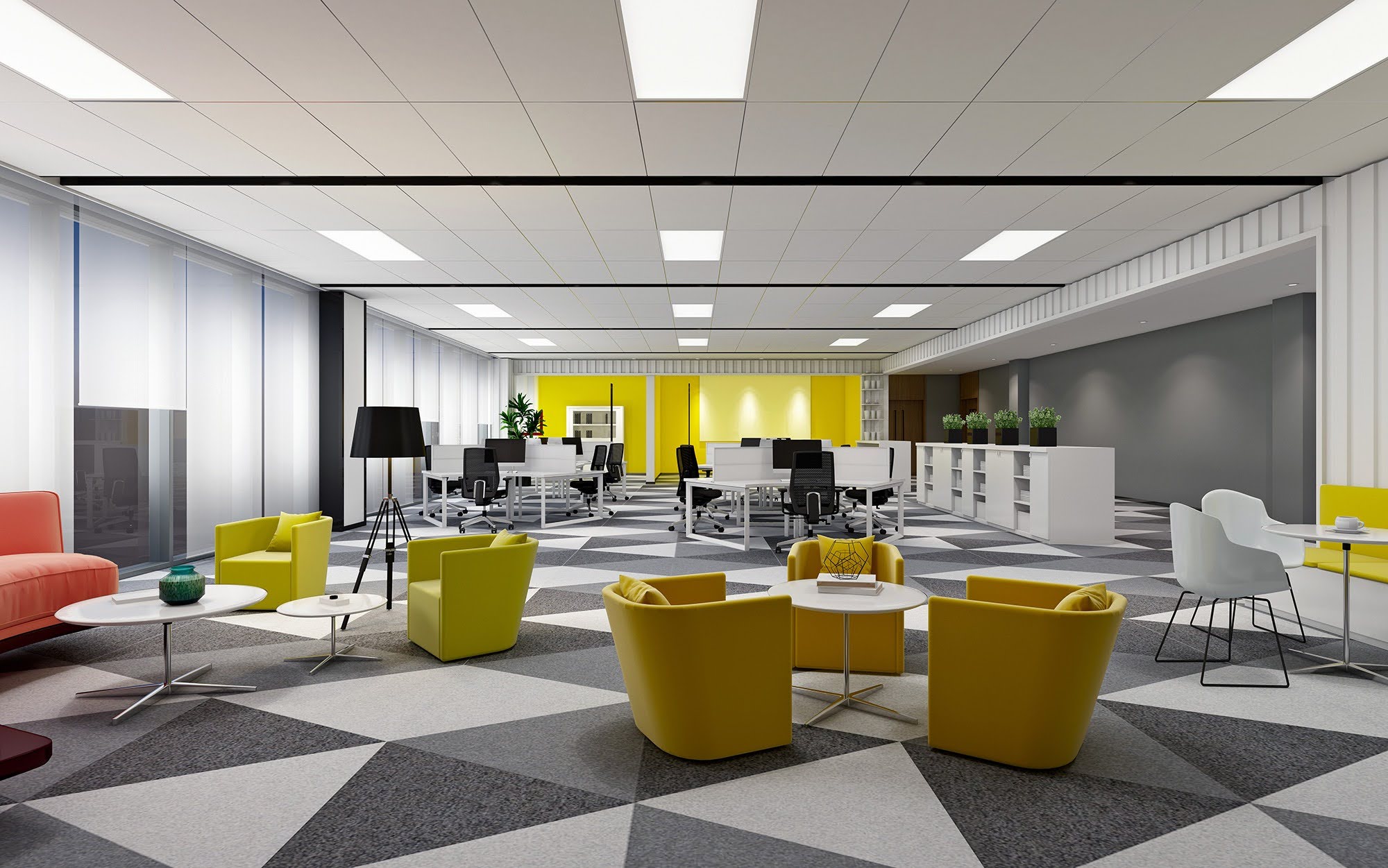
For school districts, flooring is one of the largest and most heavily used building assets. From busy hallways and cafeterias to classrooms and administrative offices, floors endure constant foot traffic every day. Unfortunately, many districts only address flooring when visible failures occur, often resulting in emergency repairs, higher costs, and unexpected disruptions.
At DeSoto Floor Covering & Interiors, we work with educational facilities throughout North Mississippi and West Tennessee to help administrators plan flooring investments strategically rather than reactively. Developing a flooring life-cycle plan allows school districts to budget effectively, extend flooring lifespan, and avoid costly surprises. ,
Why School Flooring Should Be Treated as a Long-Term Asset
Many school buildings contain thousands of square feet of flooring spread across multiple structures and campuses. Like roofing, HVAC systems, and lighting, flooring has a lifecycle that should be monitored and managed over time.
Without a replacement strategy, districts often face:
Emergency repairs that strain maintenance budgets
Unexpected capital expenditures
Safety concerns from damaged flooring
Increased maintenance costs
Disruptions to students and staff
A proactive flooring plan helps eliminate these challenges by spreading costs over multiple budget cycles.
Start with a Comprehensive Flooring Assessment
Effective life-cycle planning begins with understanding the current condition of all flooring assets.
Facility teams should evaluate:
Age of existing flooring
Current wear patterns
Maintenance history
Moisture-related concerns
Areas experiencing premature deterioration
Schools often discover that some flooring areas can continue performing well for years while others require immediate attention. This evaluation creates a foundation for future budgeting decisions.
District administrators can benefit from professional assessments through our commercial flooring services to identify priorities and establish realistic replacement schedules.
Prioritize Flooring by Usage and Risk
Not all school flooring experiences the same level of wear.
Some of the highest-priority areas typically include:
Hallways and Corridors
Hallways experience continuous foot traffic throughout the school day and often show wear first. These areas should be monitored closely for signs of deterioration.
Cafeterias and Common Areas
Food spills, cleaning chemicals, and high occupancy place additional demands on cafeteria flooring.
Entryways
Entrances endure moisture, dirt, and debris brought in from outdoors. Proper flooring selection and maintenance are critical in these areas.
Classrooms and Offices
Although these areas generally experience less concentrated traffic, flooring still requires periodic evaluation and planning.
Prioritizing spaces based on usage allows districts to allocate resources more strategically.
Establish Replacement Cycles Instead of Waiting for Failure
One of the most effective budgeting strategies is replacing flooring on a planned cycle rather than waiting until it fails.
Benefits of scheduled replacement include:
Better budget forecasting
Reduced emergency spending
Improved student and staff safety
Greater purchasing flexibility
Less disruption to school operations
For example, districts can schedule upgrades during summer breaks or other planned downtime instead of rushing emergency projects during the academic year.
Choose Flooring Systems with Long-Term Value
Life-cycle planning isn't only about scheduling replacements—it's also about selecting products that deliver long-term performance.
Many schools are choosing luxury vinyl flooring because of its durability, moisture resistance, and relatively low maintenance requirements.
Other educational facilities utilize commercial vinyl flooring in corridors, classrooms, and support spaces where long-term durability is a priority.
The right flooring choice can significantly extend replacement intervals and reduce overall ownership costs. ,
Consider Maintenance Costs When Budgeting
Initial installation cost is only one component of flooring ownership. Long-term maintenance can substantially affect a district's total expenditure.
When creating a flooring budget, administrators should evaluate:
Cleaning requirements
Refinishing schedules
Repair frequency
Replacement costs
Labor requirements
Flooring systems that require less maintenance often provide greater value over time, even if initial costs are slightly higher.
A true life-cycle analysis considers both installation and ongoing maintenance expenses.
Plan for North Mississippi and West Tennessee Conditions
School districts in North Mississippi and West Tennessee face environmental conditions that influence flooring performance.
Factors such as:
High humidity
Seasonal storms
Tracked-in moisture
Heavy daily use
can all affect flooring lifespan.
Many facilities invest in waterproof flooring solutions to help mitigate moisture-related concerns and improve long-term durability in critical areas. ,
Build Flooring Replacements into Capital Improvement Plans
The most successful school districts include flooring within broader capital improvement planning efforts.
Doing so allows districts to:
Forecast future expenses accurately
Secure funding before emergencies arise
Coordinate flooring projects with other renovations
Improve facility conditions systematically
Rather than facing unexpected flooring failures, districts can prepare years in advance and maintain greater control over spending.
Work with Local Flooring Experts Early
Life-cycle planning is most effective when facility managers involve flooring professionals before problems occur.
Early consultation helps identify:
High-risk areas
Product performance concerns
Replacement priorities
Budget considerations
Installation scheduling opportunities
Many districts begin with a free flooring estimate to better understand long-term budgeting requirements and available flooring options.
Explore Commercial School Flooring Solutions
Understanding flooring performance is easier when decision-makers can compare products firsthand.
School administrators and facility directors are encouraged to visit our showroom to review commercial flooring solutions designed specifically for educational environments.
Our Shop At Home consultation service also allows facility teams to evaluate flooring options within their own buildings and discuss site-specific requirements.
Plan Today to Avoid Flooring Emergencies Tomorrow
Flooring emergencies are expensive, disruptive, and often preventable. By creating a structured life-cycle plan, school districts can spread costs over time, improve budgeting accuracy, and maintain safer learning environments.
At DeSoto Floor Covering & Interiors, we help school districts throughout North Mississippi and West Tennessee develop flooring strategies that support long-term facility goals.
To start planning your next flooring project, contact our team, learn more about who we are, or request a consultation today.


