

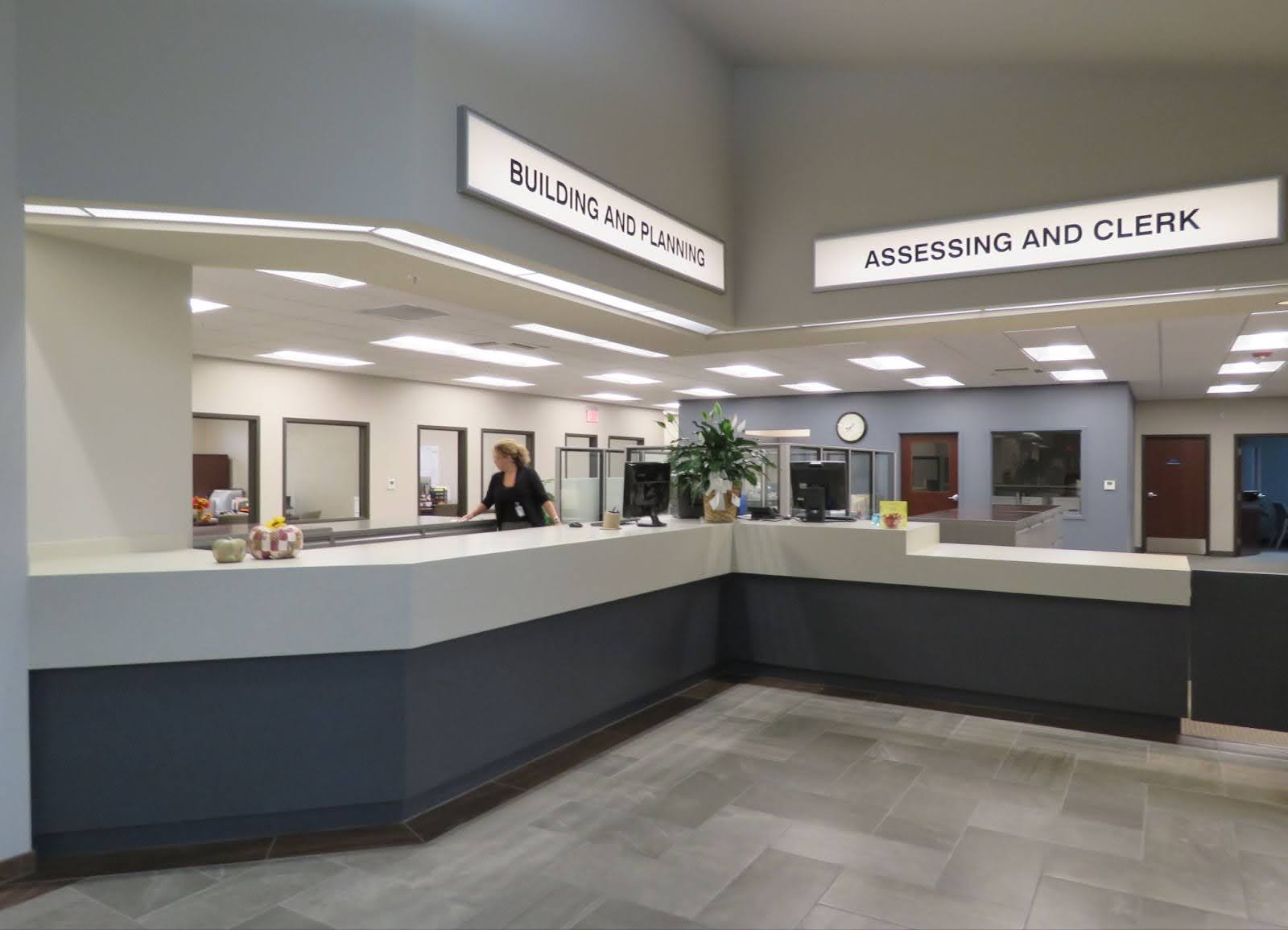
Public buildings across North Mississippi and West Tennessee—from schools and government offices to healthcare facilities and community centers—must meet accessibility standards while also handling heavy daily use. Flooring plays a critical role in achieving both goals.
At DeSoto Floor Covering & Interiors, we help facility managers and property decision-makers select commercial flooring that meets ADA (Americans with Disabilities Act) guidelines while delivering long-term durability and low maintenance. The right flooring choice improves accessibility, enhances safety, and reduces operational costs over time.
This guide explains what to look for in ADA-compliant flooring and highlights the best options for public buildings in the Mid-South.
What Makes Flooring ADA-Compliant?
ADA compliance focuses on creating spaces that are accessible and safe for individuals with mobility challenges, including those using wheelchairs, walkers, or other assistive devices.
For flooring, ADA-compliant features typically include:
Stable, firm, and slip-resistant surfaces
Smooth transitions between flooring types
Minimal vertical changes in height
Low-pile or tightly constructed carpet where applicable
Surfaces that allow easy wheelchair movement
Flooring that meets these standards helps ensure public spaces are usable for everyone while reducing liability risks.
Why ADA-Compliant Flooring Matters in Public Buildings
Accessibility is not just about meeting regulations—it directly impacts how people experience a space.
In public buildings, proper flooring:
Improves mobility for all visitors
Reduces the risk of slips, trips, and falls
Supports compliance with federal accessibility standards
Enhances the reputation of the facility
In high-traffic environments across North Mississippi and West Tennessee, durability must work hand-in-hand with accessibility to ensure long-term performance.
Key Features to Look for in ADA-Compliant Flooring
When selecting flooring for public spaces, it’s important to balance accessibility with durability and maintenance.
Look for flooring that offers:
Slip resistance: Especially in entryways and high-moisture areas
Smooth, even surfaces: To prevent tripping hazards
Low rolling resistance: For wheelchairs and carts
Moisture resistance: To handle humidity and tracked-in water
Ease of maintenance: For consistent cleanliness and safety
These features ensure the flooring performs well in both everyday use and high-demand conditions.
Luxury Vinyl Tile (LVT): Accessible and Durable
Luxury Vinyl Tile (LVT) is one of the most popular ADA-friendly flooring options for public buildings in the Mid-South.
Benefits of LVT for Accessibility
Smooth, stable surface for easy mobility
Slip-resistant finishes available
Minimal seams and clean transitions
Strong durability under heavy foot traffic
Moisture resistance for entrances and common areas
LVT works well in government buildings, schools, healthcare facilities, and office spaces where both accessibility and appearance matter.
Rubber Flooring: Safety-Focused Performance
Rubber flooring is widely used in public environments where safety and comfort are top priorities.
Why Rubber Flooring Meets ADA Needs
Naturally slip-resistant, even when wet
Cushioned surface reduces fatigue and injury risk
Provides excellent traction for mobility devices
Helps reduce noise in busy environments
Rubber flooring is especially effective in corridors, ramps, and areas where safety is critical.
Commercial Carpet Tile: Accessible Soft Surface Options
Carpet can still be ADA-compliant when specified correctly. Commercial carpet tile with low pile height and firm backing can support accessibility requirements.
Advantages of Carpet Tile in Public Buildings
Low-pile construction allows wheelchair movement
Modular design enables easy replacement
Improves acoustics in large spaces
Provides comfort in offices and meeting rooms
Carpet tile is often used in administrative areas, conference rooms, and libraries where noise control and comfort are important.
Vinyl Composition Tile (VCT): Reliable and Cost-Effective
Vinyl Composition Tile (VCT) remains a common choice for public buildings due to its durability and affordability.
Where VCT Fits Best
Hallways and corridors
Schools and municipal buildings
High-traffic public areas
VCT provides a smooth, firm surface that supports accessibility while offering long-term durability. However, it does require regular maintenance to maintain slip resistance and appearance.
Transition Planning Is Critical for ADA Compliance
Even the best flooring materials can fail ADA standards if transitions between surfaces are not handled properly.
Important considerations include:
Keeping height differences minimal between flooring types
Using proper transition strips
Avoiding abrupt edges or uneven surfaces
Careful planning ensures seamless movement throughout the building and prevents tripping hazards.
Maintenance Supports Long-Term Accessibility
Flooring must maintain its ADA-compliant properties over time. Poor maintenance can reduce slip resistance and create safety issues.
Low-maintenance flooring helps:
Preserve surface traction
Maintain a clean and professional appearance
Reduce long-term operational costs
LVT and rubber flooring are especially valued for their ability to maintain performance with simple, routine cleaning.
Professional Installation Ensures Compliance
ADA compliance depends not only on the flooring material but also on how it is installed. Subfloor preparation, leveling, and transition detailing all play a role in meeting standards.
Many facility managers take advantage of free consultations and shop-at-home appointments to evaluate building conditions and ensure proper product selection and installation planning.
Why Local Expertise Matters
Public buildings in North Mississippi and West Tennessee face specific challenges, including humidity, heavy foot traffic, and varied building types. Flooring solutions must be tailored to these conditions to perform effectively.
Working with a local expert ensures:
Products suited to Southern climate conditions
Installation methods aligned with local construction
Recommendations based on real-world public facility needs
Create Accessible, Durable Public Spaces
ADA-compliant flooring is essential for creating safe, welcoming, and functional public buildings. By choosing the right materials—such as LVT, rubber flooring, carpet tile, and VCT—facility managers can meet accessibility standards while ensuring long-term durability and cost efficiency.
If you’re planning a flooring upgrade for a public building, DeSoto Floor Covering & Interiors is here to help. Schedule a free consultation or convenient shop-at-home appointment to explore ADA-compliant flooring solutions designed for North Mississippi and West Tennessee.


